Services
Proptech operations disciplines you can implement
PropertyForge AI is a Vancouver real-estate AI and proptech operations studio. We deliver project-based and retainer engagements for property managers, asset operators, institutional holders and developer-transition teams across Canada. Every discipline below is a workshop service — not software you buy off the shelf, not a brokerage product, and not investment advice. Outputs are operational blueprints and automation specs that require human-in-the-loop verification.
1. Proptech Operations Strategy & Roadmap
Before any property-management automation ships, your portfolio operations have to be legible. We audit rent rolls, maintenance queues, lease lifecycle handoffs and document intake paths — then design a proptech roadmap your leadership team can fund incrementally. Discovery workshops with asset managers, controllers and front-line property staff define project scope, integration points and measurable outcomes. We document data governance, PIPEDA-aligned retention rules and access controls so mid-size operators and institutional holders know who sees what. Strategy deliverables include a prioritized backlog, workflow diagrams, control matrices and a realistic timeline calibrated to BC and broader Canadian regulatory context. This is real-estate AI operations done as engineering, not vendor theatre.
Typical range: C$18,000–C$52,000 discovery · C$42,000–C$95,000 roadmap and blueprint package
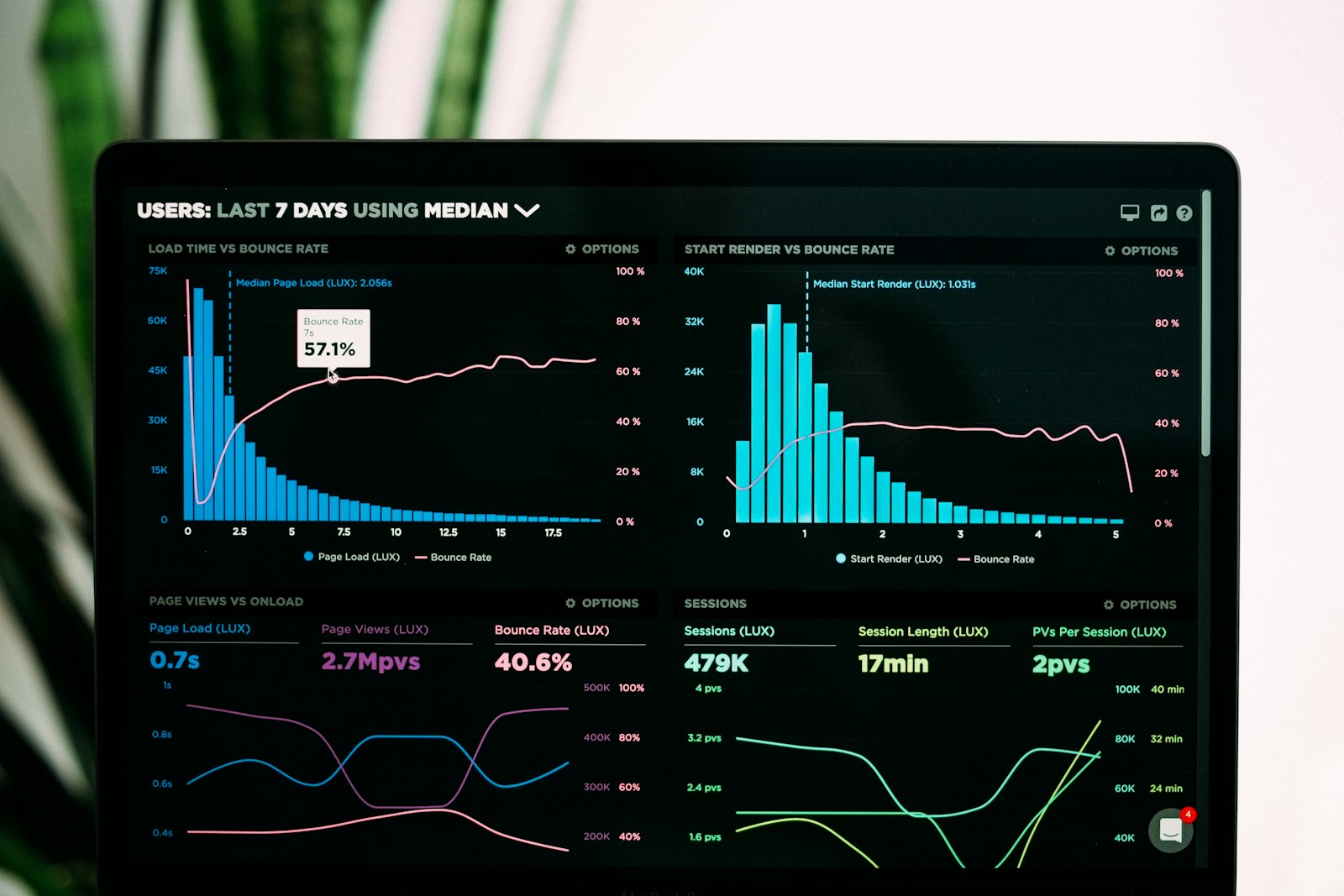
Portfolio systems · illustrative dashboard

Floorplan review · control mapping
2. Portfolio & Asset-Performance Analytics
Your asset manager should not wait three days for a vacancy roll-up that contradicts the maintenance log. We engineer portfolio analytics and asset-performance reporting — rent-roll reconciliation, NOI bridge views, capex tracking and occupancy dashboards — with explicit data lineage and human-verified KPI definitions. AI-assisted portfolio analytics help surface anomalies in rent rolls and expense categories; senior data scientists review every metric dictionary before it reaches committee packs. We work with whatever property-management stack you run, producing entity definitions, refresh cadence specs and acceptance tests your IT team or vendor can implement. Fairness checks flag when portfolio records under-represent certain housing types or when aggregation could mask building-level risk. We do not guarantee NOI improvement or occupancy targets — analysts and asset managers stay accountable for the final numbers.
Typical range: C$28,000–C$72,000 build · C$6,800–C$14,500/month analytics retainer
3. Property-Management Automation & Workflows
When the leasing team answers the same maintenance question forty times a week, the problem is workflow design — not staff attitude. We map maintenance ticket intake, work-order triage, lease renewal paths and vendor onboarding against how your team actually operates. Property-management automation specs define routing rules, SLA tiers, escalation triggers and human-in-the-loop gates where AI-assisted prioritization suggests but does not auto-assign emergency work. Deliverables include swimlane diagrams, integration notes for your existing platform, exception-handling runbooks and a control matrix assigning ownership for each status transition. We align priority tiers to BC Residential Tenancy Act response expectations where applicable. Implementation remains yours or your integrator's; our scope ends at engineer-reviewed documentation that front-line staff helped validate.
Typical range: C$22,000–C$58,000 workflow build · C$5,500–C$12,000/month automation governance retainer
4. Document Automation & Underwriting Support
Lease abstracts, insurance certificates, strata documents and capex approvals often live in shared drives with naming conventions only one person understands. We design document automation and underwriting support workflows: intake classification, required-field validation, routing to the right reviewer and archival rules mapped to your retention policy. Machine-learning suggestions for document type and extraction targets route through human verification before filing — nothing auto-approves a lease amendment or insurance gap. Underwriting support views, where scoped, aggregate portfolio exposure with explicit confidence notes and data-freshness indicators. PIPEDA-aligned handling is documented from intake through destruction schedules. This discipline keeps acquisitions and asset-management teams from discovering missing documents the week before a committee meeting — without promising faster closings or guaranteed approval outcomes.
Typical range: C$24,000–C$64,000 system design · C$6,200–C$13,800/month document-ops retainer

Workflow desk · integration specs
5. Predictive Maintenance & Occupancy Forecasting
The boiler failed the week after the spreadsheet said everything was fine — because preventive maintenance signals and occupancy risk lived in separate files nobody reconciled. We build predictive maintenance and occupancy forecasting models tied to your work-order history, asset registers and lease expiry calendar — with confidence bands, known failure modes and mandatory human review before priorities reach field staff. Forecasts are estimates that can be wrong when data is stale or seasonality shifts; we document retraining cadence and drift monitoring rather than promising uptime or vacancy rates. Portfolio operators receive dashboards showing which buildings need attention, why the model ranked them there, and when a human overrode the suggestion. Fair-housing review applies wherever prioritization could affect tenant-facing response times disproportionately.
Typical range: C$32,000–C$78,000 model build · C$7,500–C$16,000/month model ops retainer
6. Data Governance, Fairness & Human-in-the-Loop
Automation that cannot explain itself is automation your compliance team will shut down. We implement data governance frameworks for proptech operations: access controls, audit logs for machine suggestions and human overrides, PIPEDA-aligned retention schedules and fairness checks on any workflow touching applicants, tenants or maintenance prioritization. Senior data scientists document model assumptions, bias signals and out-of-distribution inputs before production deployment. Human-in-the-loop governance retainers cover incident review, retraining decisions and fair-housing audits after launch — how a Mainland Street studio keeps client organizations honest when the rent roll runs through AI-assisted analytics. We do not design tenant-screening workflows that proxy protected characteristics. Security posture documentation is suitable for enterprise procurement without claiming certification we do not hold.
Typical range: C$19,000–C$48,000 governance build · C$4,800–C$11,500/month oversight retainer
Engagement process
- Discovery session — We clarify the operational question, stakeholders and timeline. No automated quote; we scope after understanding portfolio context.
- Access agreement — You confirm data-sharing permissions under PIPEDA. We map systems and note integration gaps before drafting begins.
- Engineering sprint — Workflows, automation specs and portfolio analytics are drafted against agreed assumptions. Engineers and data scientists review outputs against field experience.
- Walkthrough — We present the blueprint live (in person at Mainland Street or video) and archive deliverables you retain.